1. The Allure of the Emerald Terraces
Imagine waking up just as the sun begins to crest over a distant volcanic peak. The air is cool and thick with the scent of damp earth, tropical flowers, and burning incense from a morning offering. You step out onto your private wooden deck, a cup of freshly brewed Balinese coffee in hand, and look out over an endless expanse of vibrant green. The rice paddies step down the hillside in perfect, sculpted contours, reflecting the pastel colors of the morning sky in their flooded beds.
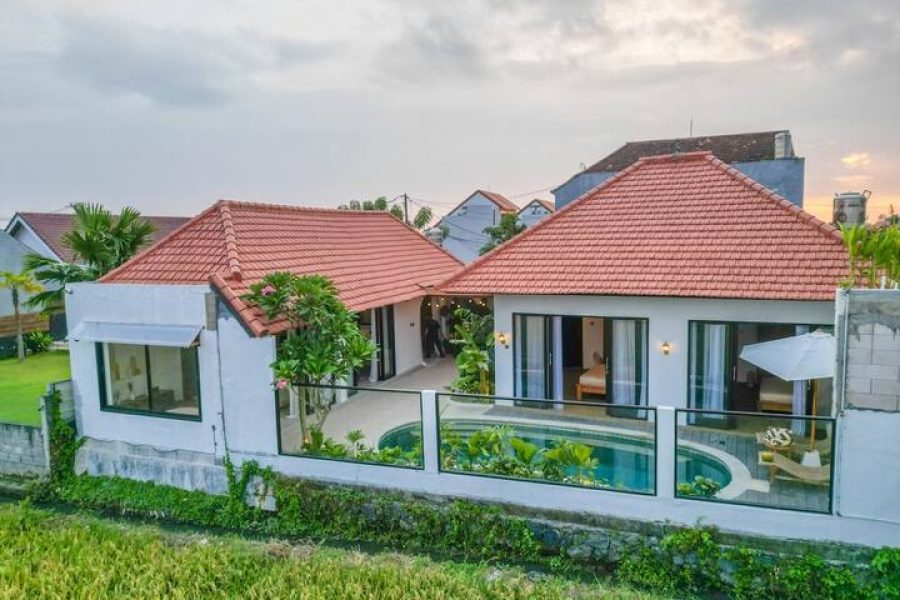
This is the daily reality of staying in a rice field view villa in Bali.
These villas offer a profound sense of tranquility that is often lost in the bustling coastal towns of Seminyak or Kuta. They force you to slow down, to sync your internal clock with the rising and setting of the sun, and to appreciate the intricate relationship between the Balinese people and their natural environment. Whether you are seeking a romantic honeymoon sanctuary, a secluded wellness retreat, or a basecamp for cultural exploration, a villa nestled among the paddies provides an unparalleled sense of place.
2. Understanding the Subak System: More Than Just a View
To truly appreciate your surroundings, it is essential to understand that these rice terraces are not merely agricultural plots; they are ancient, spiritual landscapes. The terraced landscapes of Bali are governed by a traditional cooperative water management system known as the Subak.
The Philosophy of Tri Hita Karana
The Subak system, which dates back to the 9th century and is recognized as a UNESCO World Heritage concept, is rooted in the Balinese philosophical principle of Tri Hita Karana. This philosophy translates to the “three causes of well-being” or the “three reasons for prosperity.” It emphasizes a harmonious relationship between:
Humans and the Divine (Parhyangan): Seen in the small water temples built into the fields where offerings to Dewi Sri, the goddess of rice and fertility, are made daily.
Humans and Nature (Palemahan): Demonstrated by the sustainable, ecological design of the terraces that prevent soil erosion and manage water distribution fairly.
Humans and Humans (Pawongan): Reflected in the democratic, communal organization of the farmers who must work together to ensure everyone’s fields receive adequate water.
Content Creator Pro-Tip: When you gaze out from your villa’s infinity pool, you are not just looking at a farm. You are looking at a living manifestation of a thousand-year-old spiritual philosophy. Respecting the fields—by not walking on the delicate irrigation walls without permission and supporting local farmers—is paramount.
3. Top Regions for Rice Field View Villas
Bali is a diverse island, and the vibe of your rice field villa will change drastically depending on the region you choose. Here is a deep dive into the best areas to secure your emerald escape.
Ubud: The Cultural and Spiritual Heart
Ubud is undeniably the epicenter of Bali’s rice field villa scene. Located in the central foothills of the Gianyar regency, Ubud is surrounded by deep river valleys and terraced hillsides.
The Vibe: Artistic, spiritual, wellness-focused, and slightly cooler in temperature than the coast.
What to Expect: Villas here range from ultra-luxurious five-star resorts cascading down the Ayung River valley to secluded, boutique eco-lodges hidden at the end of narrow dirt paths.
Highlights: Close proximity to the famous Tegalalang Rice Terrace, the Sacred Monkey Forest, world-class yoga studios (like The Yoga Barn), and exceptional plant-based dining.
Best For: First-time visitors, yoga enthusiasts, honeymooners, and culture seekers.
Canggu and Pererenan: Where Traditional Meets Trendy
Just a decade ago, Canggu was a sleepy coastal village surrounded by vast stretches of flat rice paddies. Today, it is the most popular hub for digital nomads, surfers, and foodies. However, neighboring areas like Pererenan, Seseh, and Cemagi still offer incredible rice field views.
The Vibe: Hip, energetic, surf-centric, and highly modern.
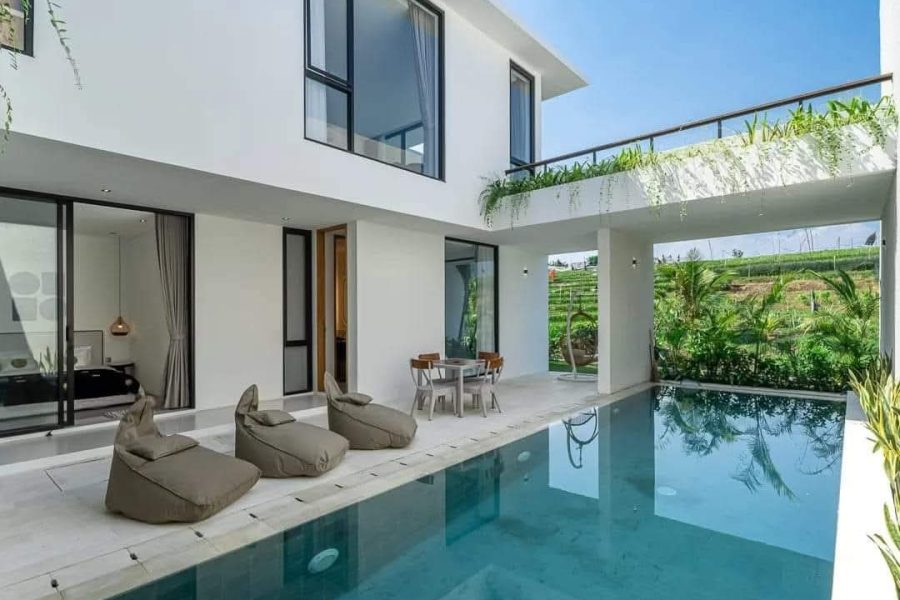
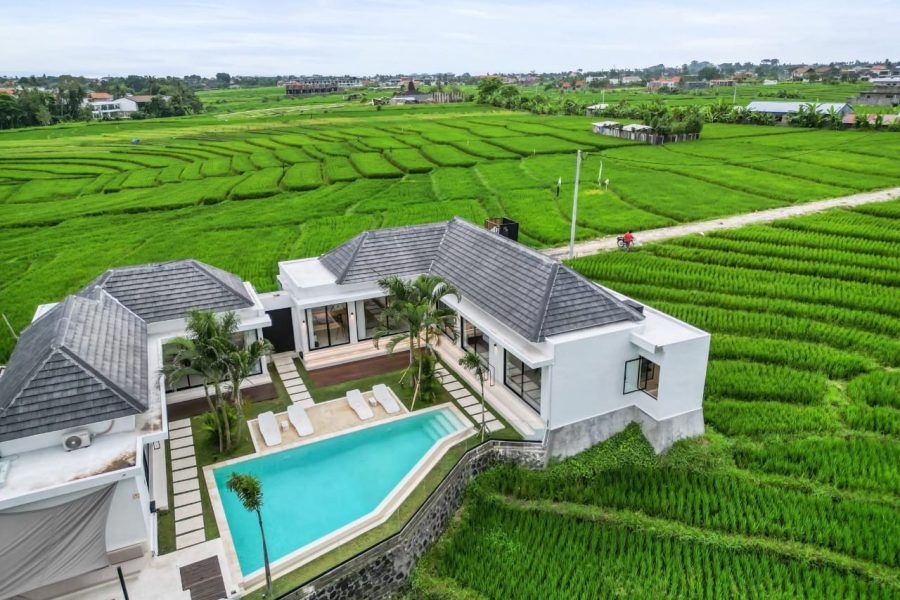
What to Expect: Villas here often feature sleek, contemporary designs, modern minimalist architecture, and high-speed internet, set against the backdrop of working rice fields.
Highlights: You get the best of both worlds. You can wake up to a quiet rice field view, spend the morning surfing at Echo Beach, and enjoy dinner at a world-class fusion restaurant.
Best For: Digital nomads, groups of friends, surfers, and those who want peace but with immediate access to nightlife and cafes.
Sidemen: The Untouched Paradise
If you want to experience what Ubud was like 30 years ago, head to the Sidemen Valley in East Bali. Nestled in the shadow of the mighty Mount Agung, Sidemen offers some of the most dramatic and breathtaking rice field landscapes on the island.
The Vibe: Deeply authentic, quiet, rural, and incredibly scenic.
What to Expect: Accommodations lean heavily toward eco-bamboo structures and traditional Balinese architecture. Luxury here is defined by nature and seclusion rather than high-tech amenities.
Highlights: Trekking through the fields, visiting traditional Songket and Endek weaving villages, river rafting, and unobstructed views of Bali’s highest volcano.
Best For: Returning visitors, adventurous couples, photographers, and those desperately needing to unplug from the modern world.
Jatiluwih and Tabanan: The UNESCO Grandeur
Located in the central-western region of the island, the Jatiluwih Rice Terraces are the largest and most famous in Bali, officially recognized by UNESCO. The surrounding Tabanan regency is often referred to as Bali’s “rice bowl.”
The Vibe: Majestic, agricultural, serene, and expansive.
What to Expect: Villas are more spread out here, offering sprawling estates with panoramic views that stretch for miles. The climate is noticeably cooler due to the higher altitude.
Highlights: Hiking the expansive Jatiluwih trails, visiting the nearby Batukaru Temple, and enjoying a climate that rarely requires air conditioning.
Best For: Nature lovers, hikers, and travelers seeking absolute solitude.
4. Architectural Styles of Bali Villas
When browsing for your perfect rice field view villa, you will notice a distinct blend of architectural styles. Bali is famous for its innovative design, heavily influenced by its tropical climate and natural materials.
The Traditional Joglo
Originating from Java, the Joglo is a traditional wooden house characterized by its distinctive, steeply pitched, pyramid-like roof.
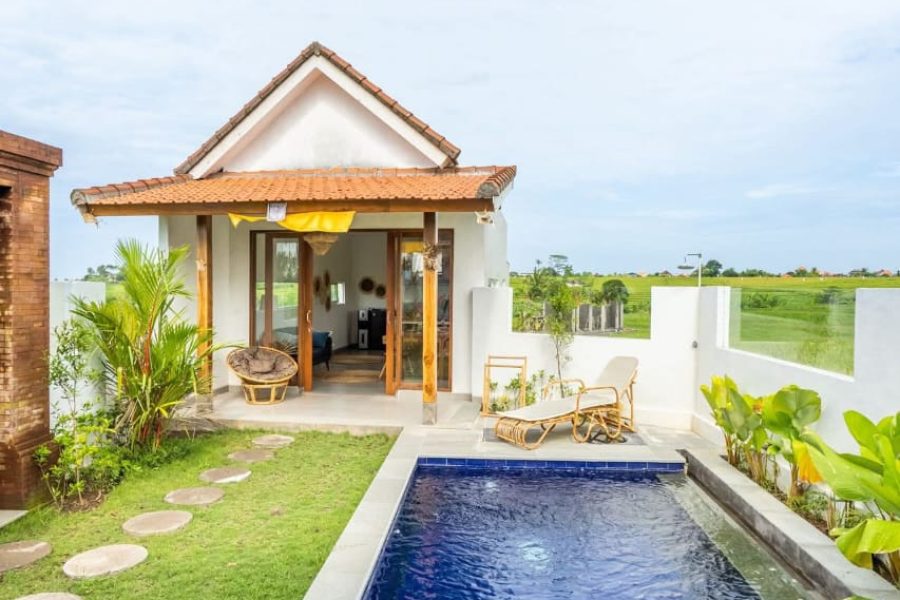
Features: Many luxury villas in Bali import antique, century-old teak wood Joglos and retro-fit them with modern amenities like glass walls and luxury bathrooms.
The Appeal: They offer an incredibly warm, historic, and rustic feel that perfectly complements the agricultural setting.
The Eco-Bamboo Masterpiece
Bali is the global epicenter for modern bamboo architecture, largely popularized by design firms like Ibuku.
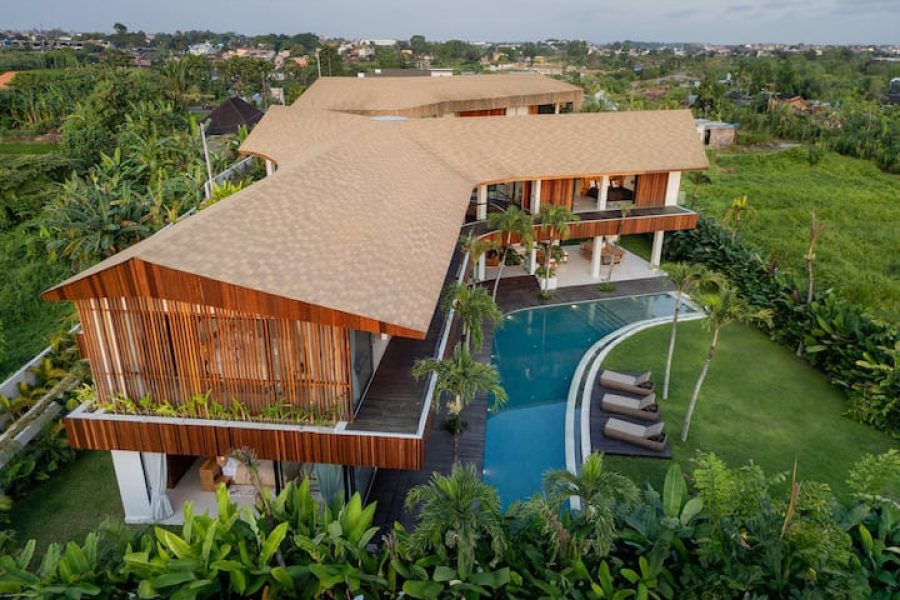
Features: These villas are entirely constructed from treated bamboo, featuring sweeping curves, multi-level treehouse designs, open-air living spaces, and leaf-shaped roofs.
The Appeal: They offer a low-carbon-footprint stay that makes you feel as though you are living inside a work of art that grew organically out of the jungle.
The Modern Tropical Minimalist
For those who prefer clean lines and contemporary comfort.
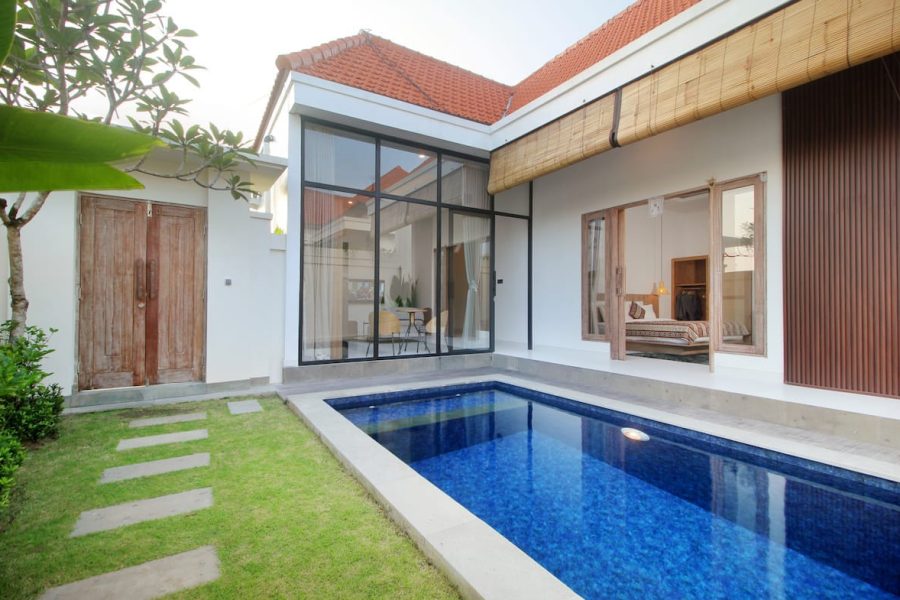
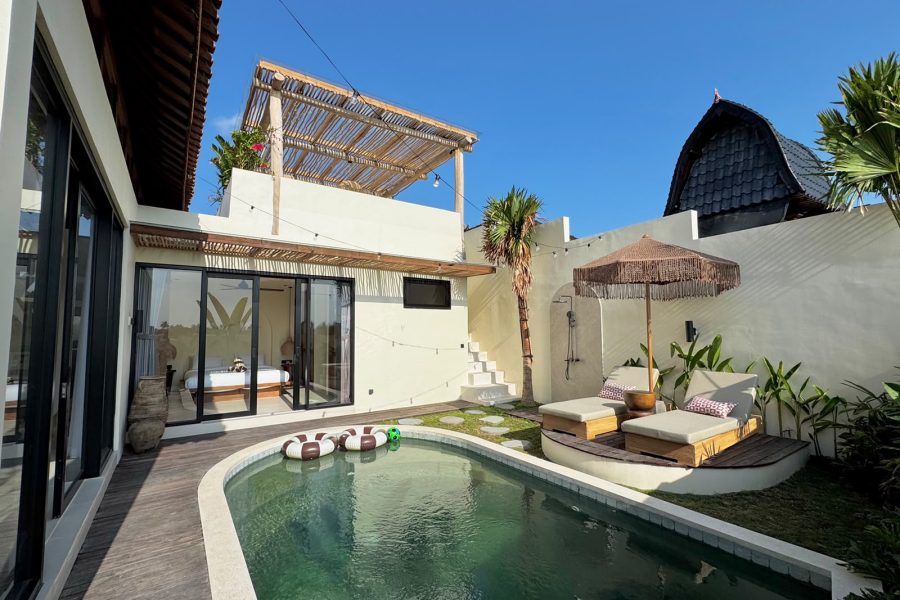
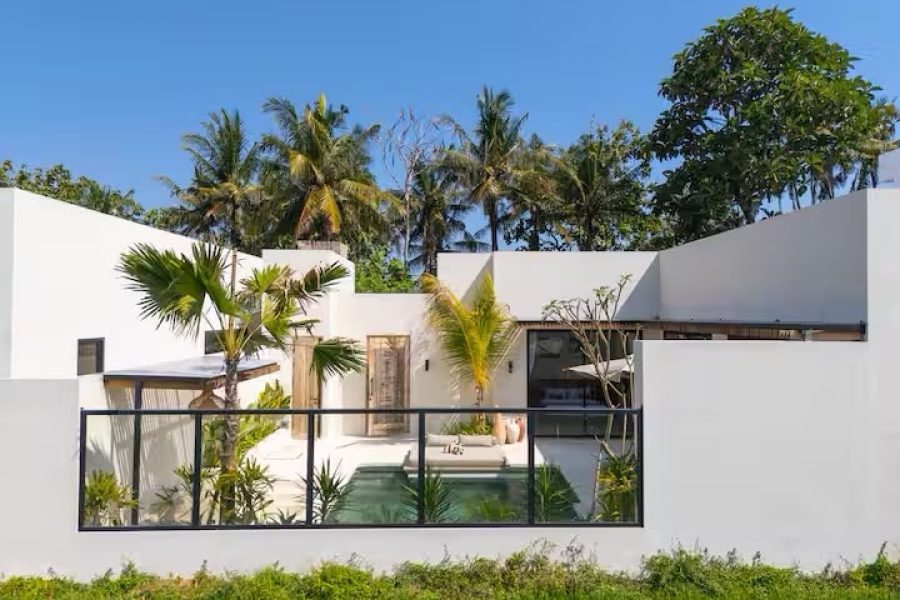
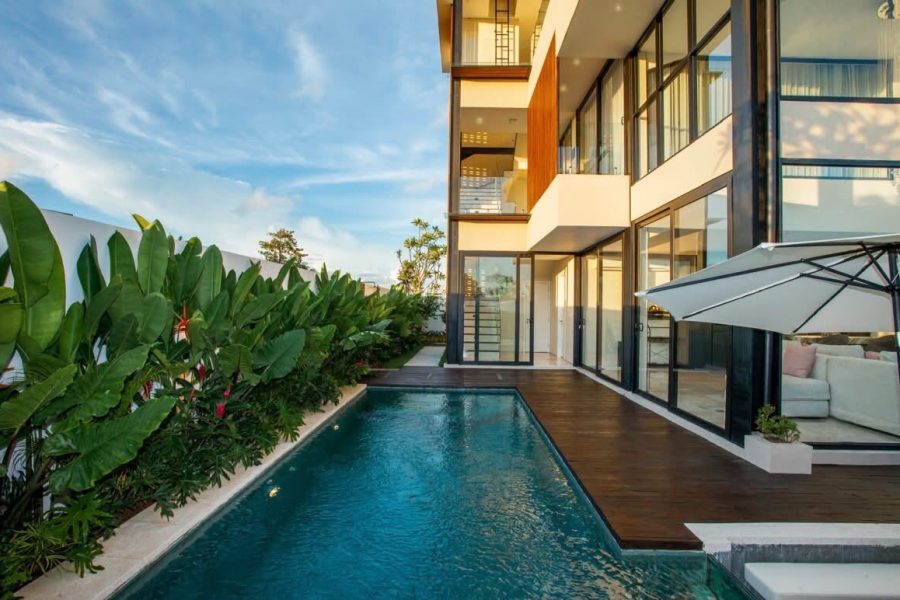
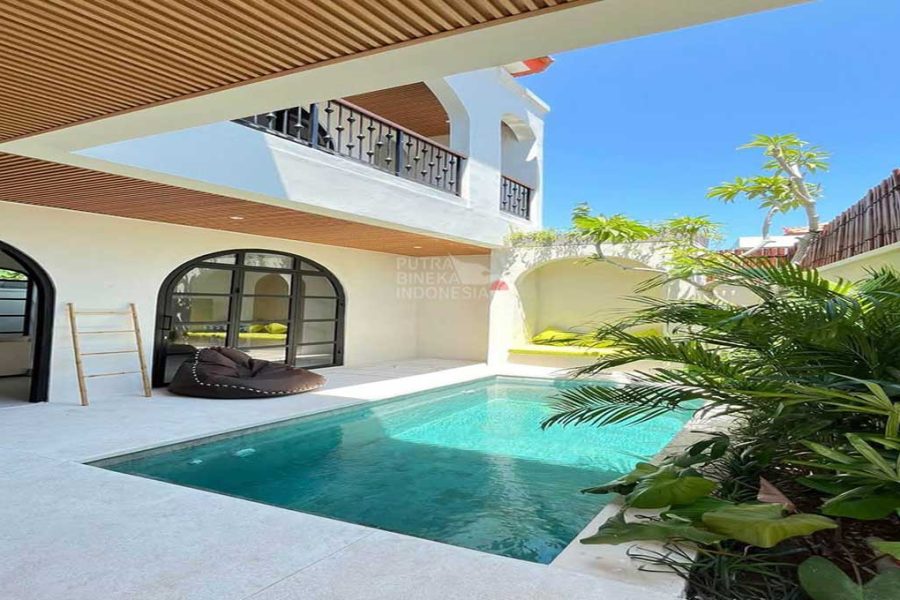
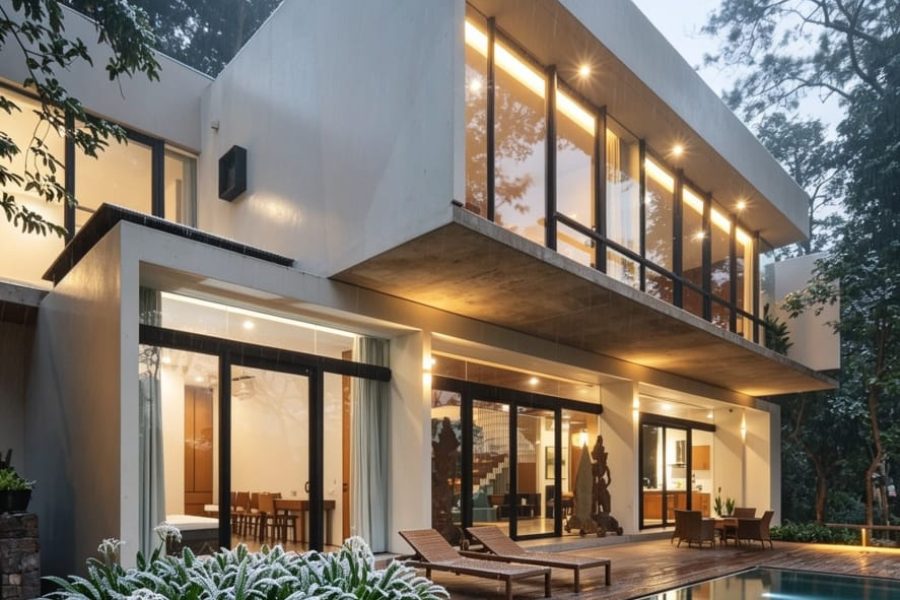
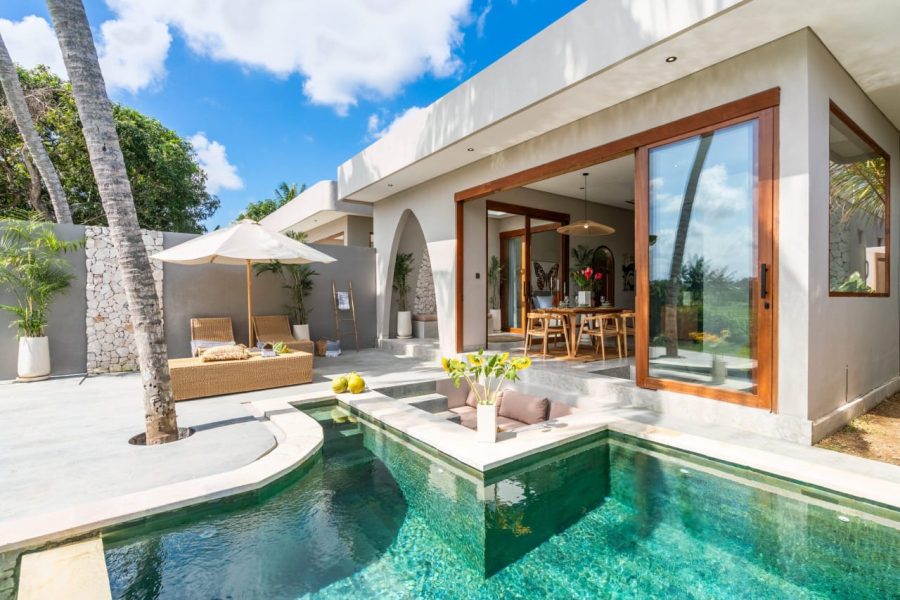
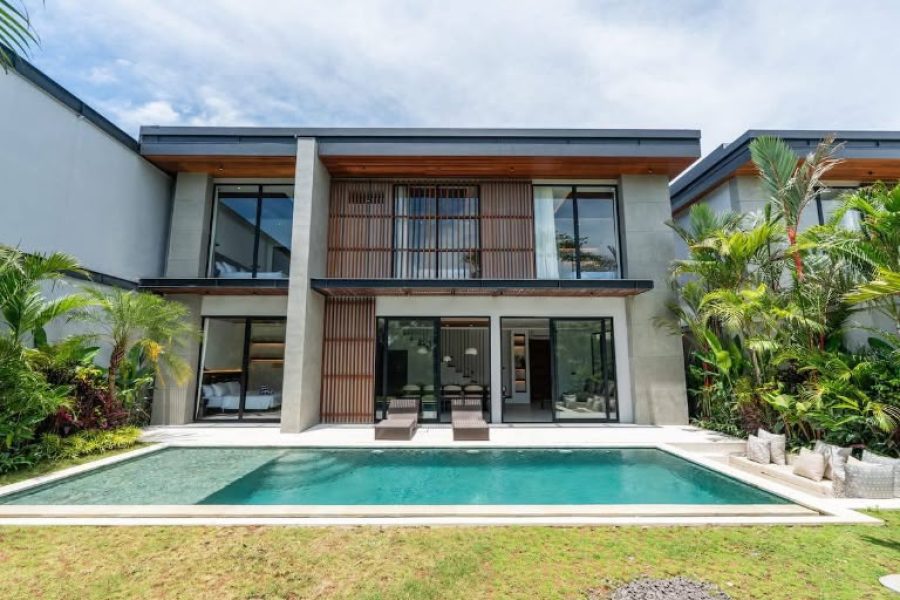
Features: Polished concrete, floor-to-ceiling glass sliding doors, flat roofs, and sunken living rooms. These villas are designed to erase the boundary between indoors and outdoors.
The Appeal: High comfort, air-conditioned luxury, and a perfect frame for the chaotic beauty of the tropical landscape outside.
5. Timing Your Visit: The Rice Growth Cycle
One of the most crucial, yet often overlooked, aspects of booking a rice field view villa is understanding that the view changes depending on when you visit. Rice is a rotational crop, and the landscape transforms dramatically throughout its cycle.
| Stage | Visual Appearance | What to Expect |
| Preparation | Muddy, flooded, mirror-like pools. | Farmers plowing with oxen or tractors. Flocks of white herons hunting for insects in the water. Beautiful reflections of the sunrise/sunset. |
| Planting | Patches of tiny green shoots in the water. | High agricultural activity. You will see farmers knee-deep in mud, carefully planting each stalk by hand. |
| Growing | Vibrant, neon emerald green. | This is the iconic “Bali postcard” look. The fields are thick, lush, and undeniably breathtaking. (Usually 1-2 months after planting). |
| Harvesting | Golden yellow, tall, and heavy. | The stalks turn yellow and droop under the weight of the rice. Farmers harvest using traditional sickles. A beautiful, golden-hour aesthetic. |
| Post-Harvest | Stubble, burnt husks, dry earth. | The least photogenic phase. Farmers often burn the leftover stalks to return nutrients to the soil, which can create smoke. |
Important Note: Unlike countries with strict four-season climates, Bali’s rice planting does not happen uniformly across the island at the exact same time. It is a staggered process. If you want a guarantee of lush green fields, it is highly recommended to email your prospective villa before booking and ask, “What stage will the rice fields be in during my stay in [Month]?”
6. What to Expect: The Reality of Rice Field Living
Living next to a tropical agricultural environment is a profoundly beautiful experience, but it requires a minor adjustment in expectations.
The Symphony of Nature
When you stay in a city hotel, you hear traffic. When you stay in a Bali rice field villa, you hear nature. As the sun sets, the fields come alive with a deafening symphony of frogs, crickets, and cicadas. In the mornings, you will be woken by the crowing of roosters and the quacking of ducks (which are often released into the fields to eat pests and fertilize the soil). Many travelers find this ambient noise deeply relaxing, but light sleepers should pack earplugs.
The Insect Kingdom
Rice fields are vibrant ecosystems. Because they require standing water, they naturally attract insects.
Mosquitoes: They are present, particularly at dawn and dusk. Villas manage this by providing mosquito nets over the beds, mosquito coils, and regular fogging. Always pack a high-quality tropical insect repellent.
Geckos: You will share your villa with small lizards and the occasional large Tokay gecko. They are harmless, naturally shy, and act as your personal pest control, eating mosquitoes and spiders.
Ants and Beetles: Open-air living means nature will occasionally wander inside. Keep food sealed and in the refrigerator to avoid attracting ants.
The Weather Patterns
Bali has two distinct seasons:
Dry Season (April to October): Sunny days, lower humidity, and cooler evenings. This is peak tourist season and the best time for guaranteed good weather.
Wet Season (November to March): High humidity, frequent and dramatic tropical downpours (usually in the late afternoon). The upside? The rice fields and jungles are at their absolute most vibrant, lush green during these months, and villa prices are often significantly lower.
7. Curating Your Villa Experience: Must-Have Amenities
When sifting through Airbnb or Booking.com, the sheer number of options can be overwhelming. To ensure you get the absolute best experience, look for villas that offer the following amenities:
The Infinity Pool
This is non-negotiable for a true luxury experience. An infinity pool designed so the water’s edge seemingly spills right into the rice paddies below creates a seamless visual connection with nature. It is the ultimate spot for sunset viewing.
The Floating Breakfast
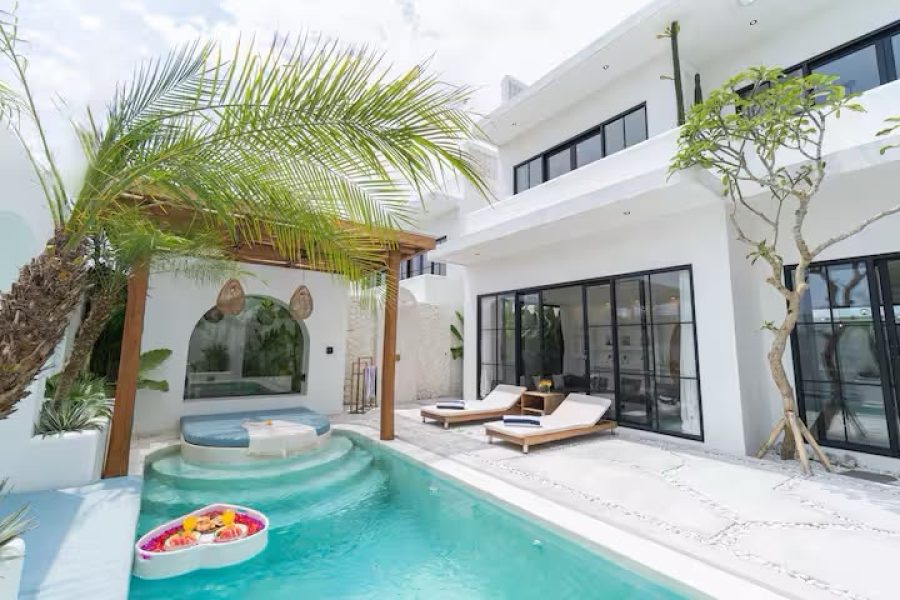
A modern Bali staple. Many luxury villas offer the option to have your breakfast—complete with fresh papaya, dragonfruit bowls, pastries, and Balinese coffee—served on a large woven tray that floats in your private pool. It is highly photogenic and a delightfully decadent way to start the day.
Open-Air Bathrooms
Bathing under the stars or taking a rain shower surrounded by tropical plants is a staple of Balinese villa design. Ensure the villa offers a high wall for privacy, but enjoy the liberating experience of an outdoor stone bathtub.
A Dedicated Villa Manager/Staff
The best villas come with a dedicated staff. Having a local villa manager is invaluable. They can arrange scooter rentals, book in-villa massages, organize private chefs to cook local delicacies (like Nasi Campur or Babi Guling) in your kitchen, and negotiate fair prices for private drivers.
8. A Day in the Life: Your Rice Field Itinerary
If you are wondering how you might spend your days in such a secluded environment, here is a glimpse into a perfect day at a rice field villa in Ubud:
06:30 AM – Sunrise and Coffee: Wake up early. The light at dawn in the rice fields is spectacular. Brew a cup of local Kintamani coffee and sit on your terrace watching the mist burn off the paddies.
08:00 AM – Morning Flow: Roll out a yoga mat on your wooden deck. Enjoy a private yoga session as the sounds of the village waking up echo in the distance.
09:30 AM – Floating Breakfast: Cool off in the infinity pool while enjoying a sprawling, colorful breakfast spread delivered by the villa staff.
11:00 AM – Cultural Walk: Put on some comfortable walking shoes and take a stroll along the Subak irrigation paths. Smile and say “Om Swastiastu” (the traditional Balinese greeting) to the farmers.
01:00 PM – In-Villa Spa: Avoid the midday heat by retreating to the shade of your villa. Have local massage therapists come to you for a 90-minute traditional Balinese massage accompanied by the scent of frangipani oil.
03:00 PM – Creative Time or Reading: Use the quiet afternoon to read a book, journal, or work on your laptop from a shaded daybed, enjoying the gentle afternoon breeze.
05:30 PM – Golden Hour Photography: As the sun begins to lower, the lighting becomes soft and golden. This is the perfect time to fly a drone (if permitted) or take photos around the property.
07:00 PM – Farm-to-Table Dinner: Have a private chef prepare a romantic, candlelit dinner in your villa, utilizing fresh ingredients sourced from the very fields you are looking at.
09:00 PM – Stargazing: With minimal light pollution, the night sky over the rice fields is often brilliant. Sit by the pool and listen to the chorus of the frogs before retiring under your mosquito net.
9. Packing Essentials for Your Stay
Packing for a rice field villa is slightly different than packing for a standard beach resort. You need to be prepared for the specific environment.
Lightweight, Breathable Fabrics: Linen and lightweight cotton are your best friends. The humidity can be intense.
Slip-On Shoes/Sandals: In Balinese culture, you must remove your shoes before entering a home or villa. Slip-on sandals make this much easier.
Sturdy Walking Shoes: If you plan to walk the muddy, uneven ridges of the rice terraces, flip-flops will not suffice.
High-Quality Insect Repellent: Look for sprays containing DEET or Picaridin for the evenings.
Sun Protection: The sun reflects off the flooded paddies, increasing UV exposure. Bring reef-safe sunscreen, a wide-brimmed hat, and polarized sunglasses.
A Light Rain Jacket or Poncho: Tropical downpours happen quickly. A lightweight, packable rain jacket is essential, especially if you plan to rent a scooter.
Universal Power Adapter: Indonesia uses the two-pin round plugs (Type C and F).
A Good Book and a Journal: You will have ample downtime. Embrace the digital detox.
10. Responsible Tourism and Etiquette
The beauty of Bali’s rice terraces is maintained by the hard work of local farmers. As a visitor, practicing responsible tourism ensures that these landscapes and communities thrive for generations to come.
Respect the Borders
The narrow dirt and grass paths separating the rice paddies are not just walkways; they are carefully constructed irrigation dams holding the water in place. Do not walk on them unless you are sure it is a public path. Breaking a wall can drain a farmer’s field and ruin a harvest.
Ask Before Photographing
The Balinese are incredibly warm and welcoming, but farmers are trying to do their jobs. If you want to take a close-up portrait of a farmer working, always ask for permission first with a smile and a gesture.
Support Local
When you step out of your luxury villa, try to spend your money in the immediate community. Buy a fresh coconut from the small warung (local shop) down the street. Hire a local guide from the village to take you trekking. Tip the villa staff generously, as hospitality wages in Indonesia are often modest.
Minimize Plastic Use
Waste management is a significant challenge in Bali, and plastic pollution frequently ends up in the delicate irrigation streams of the rice fields. Bring a reusable water bottle (many villas provide filtered water dispensers), say no to plastic bags, and pack out whatever you bring in.
11. How to Choose the Perfect Villa (Booking Checklist)
Before you hit “Confirm Booking,” run through this checklist to ensure the villa meets all your expectations:
Check the Exact Location: “Ubud” is a very large district. A villa listed in Ubud might actually be a 30-minute drive from the town center. Use Google Maps to check the distance to restaurants and sights.
Verify Wi-Fi Speeds: If you need to work, do not assume the Wi-Fi is fast. Rice field villas are often in remote locations where fiber optic cables haven’t reached. Ask the host for a screenshot of a speed test.
Inquire About Construction: Bali is developing rapidly. The last thing you want is the sound of drills and hammers ruining your serene view. Message the host and explicitly ask: “Is there any active construction happening near the villa right now?”
Accessibility: Many of the most beautiful, dramatic villas are inaccessible by car. You may have to be dropped off at a main road and walk 10 minutes down a narrow dirt path, or have staff carry your luggage on a scooter. If you have mobility issues, confirm that the villa has direct car access.
Review the AC Situation: Open-air living is beautiful, but enclosed, air-conditioned bedrooms are essential for most travelers to get a good night’s sleep in the tropics. Ensure the bedrooms are fully sealable.
12. Conclusion: A Journey for the Soul
Choosing to stay in a Bali Rice Field View Villa is a commitment to a different kind of travel. It is a step away from the commercialized tourist strips and a step toward the authentic, breathing heart of the island.
It is about the luxury of space, the luxury of silence (save for the crickets), and the luxury of watching a landscape that has been cultivated with love and spiritual devotion for centuries. Whether you spend your days exploring ancient water temples, indulging in spa treatments, or simply watching the wind create waves through the green grass from the edge of your infinity pool, a stay in the emerald terraces of Bali will stay etched in your memory long after you board your flight home.
Prepare to slow down. Prepare to breathe deeply. Prepare to fall in love with the Island of the Gods.